Categories
The State of Gamification in Market Research
Gamification has slowly been gaining traction in the market research space. What is the leading example of successful research gamification?
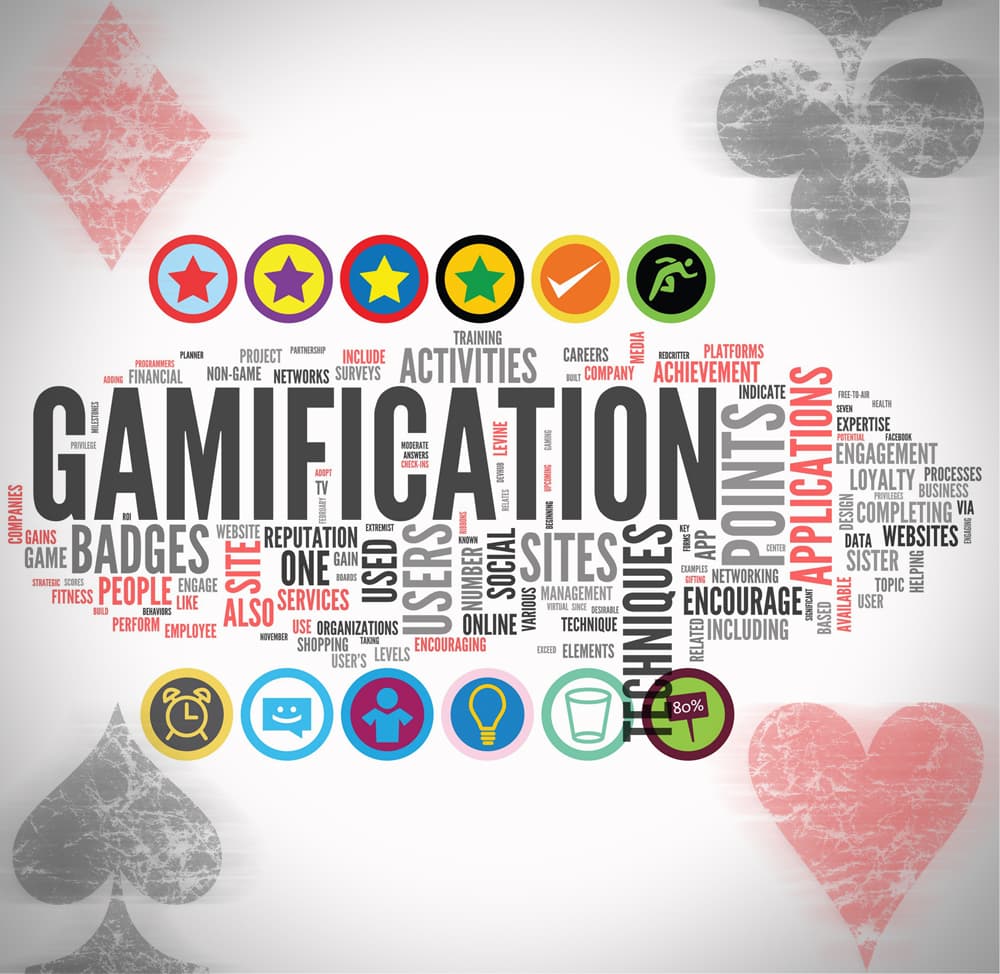
The concept of “gamification” and “market research” has been slowly gaining traction for several years. Gamification in general (the use of game design and mechanics in non-gaming contexts), while not taking over the world, has many public examples of what it means to successfully infuse games into something different. Foursquare was the clear, early example in location-based services; Badgeville and Bunchball have been providing turnkey solutions for common game mechanics in a variety of industries.
So: what is the leading example of successful gamification in market research?
Unfortunately, there aren’t many publicly discussed case studies that can answer this question. Most of the external chatter has focused on either (a) validating / refuting the scientific legitimacy of research gamification, or (b) building support for this young and developing space. This is somewhat surprising, as the recent GRIT Report survey of research practitioners says 49% of researchers are either using or considering gamification. The gap between interest and action is driven by two major barriers:
- From the client side, a lack of knowledge and insufficient proof that it works; and
- From the supplier side, a lack of knowledge and insufficient proof that it works.
In other words, it sounds like a great concept, but hasn’t yet passed the smell test for established agencies to invest in refining the methodology. The obvious confidentiality constraints between supplier and client, and the desire to build competitive advantage against other suppliers, are secondary issues. Gamification and market research are so far from current thinking, in fact, that the industry’s current research services directories do not even contain headings for gamification (e.g., GreenBook, MRA BlueBook, Quirk’s). (Yes, Quirk’s has Toluna listed as a gamification supplier. Personally, I would disagree.)
This is a shame, but not altogether surprising. Like most new technologies, we first attempt to enhance existing products and behaviors by bolting on the new thing. Time and experience teach us the distinctive characteristics of the New Thing, and we eventually realize that truly New Things require new behaviors and assumptions. So it goes with gamification: for the most part, researchers look at online surveys as the vehicle that can most benefit from games. Improve engagement, reduce respondent fatigue, perhaps even lower overall cost by improving survey completion rates. These things may be true, but it is not the only way to think about games.
Games and stories go hand in hand. Games are almost always driven by a back story (even a simplistic one). Games channel human behavior into structured rules; the information we can collect from a game is not limited to just the outcome of who won or lost. In some cases, the act of participating in a game creates more value for a research audience than observing a game. All of this is moot, of course, unless we continue to experiment and refine these techniques, but our recent experiences in designing board games for qualitative research activities is strengthening our interest in the practice.
For more thought from Jason visit the Insights Meta blog
Comments
Comments are moderated to ensure respect towards the author and to prevent spam or self-promotion. Your comment may be edited, rejected, or approved based on these criteria. By commenting, you accept these terms and take responsibility for your contributions.
Disclaimer
The views, opinions, data, and methodologies expressed above are those of the contributor(s) and do not necessarily reflect or represent the official policies, positions, or beliefs of Greenbook.
More from Jason Anderson
Pokemon Go: Gamification Lessons For Research
5 min read
Pokémon Go has been hugely successful in terms of adoption and engagement. How has Pokémon Go garnered such success so quickly? What can we learn, as ...

Is Safe Harbor Still Safe?
3 min read
The European Court of Justice recently invalidated the Safe Harbor progrm. What are the implications for consumer research?
The Telephone Consumer Protection Act: We Reap What We Sow
4 min read
Maybe our own behavior, and the never-ending stream of surveys, has tainted the previously clean karma of the after-work phone survey.
Of Innovation and Snake Oil
6 min read
For several years now, the insights industry has been talking about innovation. I struggle to remember what people talked about before.
ARTICLES
Top in Research Methodologies
Insights Operations, Enablement, and Harmonization
GRIT looks at insights “ensembles” and how they might be coordinated.
Nelson Whipple
GRIT Senior Research Director at Greenbook
How to Write a Great Case Study in the Insights and Analytics Industry
3 min read
Discover how impactful case studies connect data to decisions. Learn to craft compelling narratives that showcase research's vital role in driving bus...
Karen Lynch
Editor-in-Chief at Greenbook
Partner Content
The Lines around User and Market Research Are Blurring, so What Happens Next?
How are research roles changing? Explore how AI, rising demand, and earlier involvement are reshaping market and user research.
Louise Jones
Senior Brand Manager at Maze
When Bad Online Sample Looks Good Enough
How can survey fraud survive quality checks? Learn what research buyers should ask to evaluate respondent quality and data integrity.
Chandra Limiarja
Data Analyst at Independent


Sign Up for
Updates
Get content that matters, written by top insights industry experts, delivered right to your inbox.


